Why back to school transitions are challenging for all kids

If you have a sensitive, feeling child, transitions of any kind are difficult. Transitioning back to school are especially so. These difficulties can be prevalent even among our adolescents, not just our early learners. Recent studies have shown that school refusal, often owing to anxiety, separation anxiety, and social phobia is higher for neurodivergent kids. This is often because their still developing social skills often become a target for social bullying.
Yes, even if your child that LOVES school or your seasoned high schooler is beginning to display butterflies and cold feet, worry not.
Here’s the science behind why this is developmentally normal. (Yes, you read correctly).
Starting at the beginning, A is for Attachment:
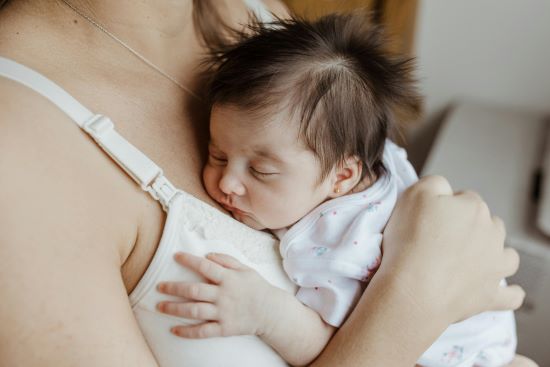
Yes, attachment theory, as explained by John Bowlby and Mary Ainsworth has been getting a lot of attention in recent years. This important theory is at the root of separation anxiety. Attachment theory is based on the premise that as infants, all human beings (and to that matter, primates) develop attachment bonds with their primary caregiver. The quality of the bonds depend on the attunement and responsiveness of the caregiver to the infant’s bids for care and connection. So yes, connection is at the foundation of it all. Individuals develop one of three styles of attachment:
- Secure Attachment (The style that is desirable, and one built from consistent, attuned, responsive caregiving from primary caregivers)
- Anxious Attachment (An insecure style characterised by a fear of abandonment, intense desire for validation)
- Avoidant Attachment (An insecure attachment style characterised by withdrawal, lack of emotional closeness, prioritising self-reliance)
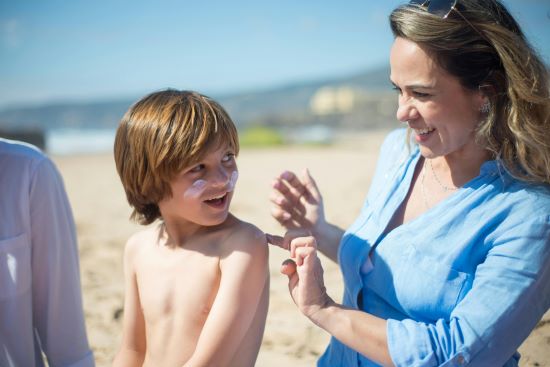
Even before attachment theory, William James, the father of modern day psychology said, “We are like islands, separated on the surface, connected in the deep”. It is how we are wired. Attachment is our “seeking” instinct. However, key to this is our desire to seek the presence of those we feel safe with.
Long school days after an endless summer means long periods of separation, from you, their safe space. It is no surprise that in addition to the freedom that come from being on holidays, the greatest gift these days offer are the long periods of connection and presence with people they love.
“We are creatures of togetherness and we are stung by its lack. There is no greater stress than facing separation from which we are attached”. Gordon Neufeld
If you have read this far, you will see that separation, from you their safe space, their sanctuary and their comfort is a sign that you have been doing something right all along. Of course, their preference is to be with you.
So let’s take a moment to honour you Mama.
Kids thrive on routines
While our adult brains crave novelty, children are quite the opposite. They love the prosaic, the predictable, the routine. It is not only their preference, but given their still developing prefrontal cortex (aka, their executive functioning brain), routines offer them a sense of safety, predictability, and control. Moving from holidays to school routines, alongside the attachment factors discussed above are another reason even our most adaptable kids find this change up between holiday to school routines challenging.
“Come to think of it, it isn’t that much different for us."
Shifting gears between relaxed holidays to military styled work and school schedules is daunting!
Despite the familiar, a new school year offers surprises
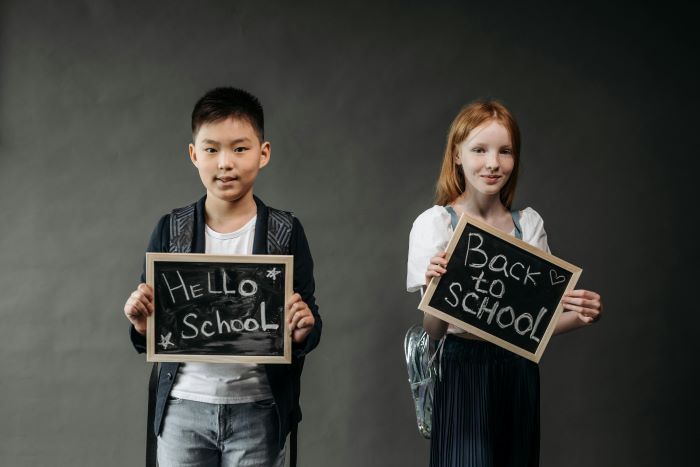
Whether it is their first day of primary school (which is both exciting and daunting, for you and them!) or it is the first day of the last year of high school (which might be more emotional for you!), a new school year comes with its fair share of surprises: new teachers, a change in peers, new opportunities. The challenges, be it cognitive, social, and in turn emotional can be daunting. Following on from our discussion above on the importance of routines for children to thrive, it is no surprise that even our most confident kids might have their share of butterflies given these inevitable surprises beyond their control.
“Note that this is especially true for our feeling and differently wired kids. Surprises cannot be controlled. Our sensitive kids need to feel in control."
What can we caregivers do?
As attuned parents and caregivers, the keyword (or two) here is EMOTION COACHING. Our three step process is not new, but we can all do with a refresher:
- NOTICE their emotions: Emotions usually are the precursor to feelings. It is usually a physical sensation such as butterflies in their tummies, the sweaty clammy palms, their restless feet, and rapid heartbeats. Pay attention and recognise the physical signs
- Name their feelings: Feelings are the next step. They are the names our thinking brains offer to these physical symptoms. These often include naming the butterflies in the tummy as being pangs of “excitement” and “nervousness”, the rapid heartbeats as those of “fear” (of the unknown). Dan Siegel and Tina Bryson popularised this step by calling it “Name it to Tame it”.
- ACCEPT the uncomfortable: These less than desirable feelings and emotions have a role to play, often a protective one. So, accept these feelings. Honour the sheer magnitude of what they are feeling. Describe these feelings and give them their due place. Only by recognising their presence, can we move towards managing them.
Negating their feelings, no matter how uncomfortable they are, not only erodes trust in your relationship, it might also lead to them second guessing their instincts.
A few other suggestions include:
- Talk, Talk, Talk: Talk to them about school, their teacher, their friends, a new subject they will be exploring. Talk to them about their excitement. Talk to them about their fears
- Invite a friend: If you have the opportunity for your kids to hang out with a classmate in the week leading up to school, prioritise this. Having an anchor in a friend who they have connected with before the school starts might offer some scaffolding.
We are in this together
And finally, if the emotions run high, remember, you have done something right Mama. Back to school nerves are for everyone, your sensitive child, your confident kids, and perhaps even for you. In pouring so much into all of them, our energy is running low. Perhaps our hormones are taking the toll too. Our ability to hold it together might be compromised. And that is ok. You have read this far because you care. And for that, you are all blessed. If you need other ideas, make sure you click here.
You are not alone Mama.
If you need some personalised support, we are here to support you.
Written by Lisel Varley
Related blog stories

Join our community