Turning Down the Noise for our Children even in Busy, Bustling Hong Kong
Introdcution

Many of us were raised to believe that stillness is suspicious and that any time not spent achieving is somehow wasted. In a high‑pressure, high‑density city like Hong Kong, that belief can quietly shape the way we parent, schedule, and even judge ourselves as mothers. We pack our children’s days with activities, enrichment, and stimulation, hoping to give them every advantage in a noisy world, and in the process we often overlook something essential: children don’t just need more; they need less—less noise, less pressure, more room to play.
Turning down the noise for our children

In her book Turn Down the Noise, Sarah Boyd talks about raising emotionally healthy families in an overstimulated world. She describes overstimulation and chronic stress as an “invisible epidemic” that quietly wears down both adults and children. Screens, packed schedules, constant notifications, and the pressure to perform create a baseline of stress that our nervous systems were never meant to hold all day long.
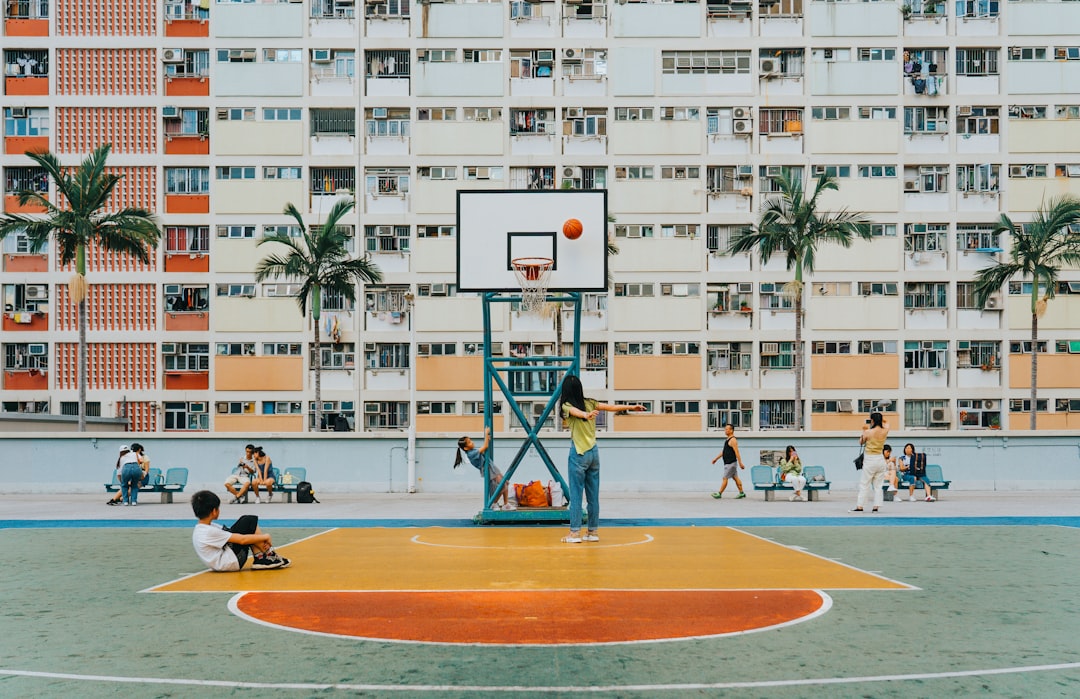
For expat mums in Hong Kong, this picture feels especially familiar: crowded commutes, academic pressure, homework, extracurriculars, social commitments, and the background hum of being far from home can leave very little white space in a week.
Yet a calmer, more grounded childhood doesn’t come from adding more “good” activities; it comes from thoughtfully turning down the noise so kids can experience what real play and under-stimulation feel like.
Why under-stimulation matters as much as enrichment
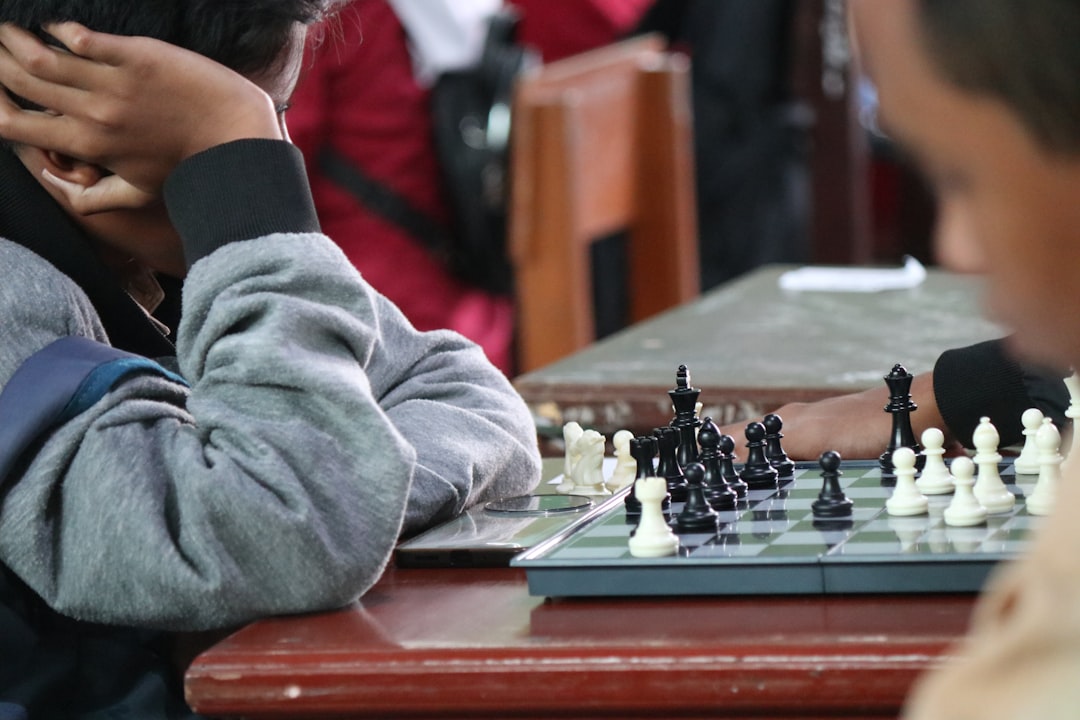
We often talk about boredom as a problem to fix, but developmentally, a certain amount of under-stimulation is deeply healthy for children. When nothing “special” is happening, a child’s brain has room to wander, imagine, and integrate experiences. This unstructured space supports creativity, emotional processing, and self‑soothing—skills that can’t be taught in a class or app.
In a culture that values productivity, under-stimulation can feel uncomfortable for parents too. You might find yourself thinking, “Should I be doing more? Should my child be doing more?” But much like rest for adults, “doing nothing” is often exactly what a child’s nervous system needs to reset.
Free afternoons, slow weekends, and tech‑light moments aren’t wasted time; they’re fertile ground for connection and creativity.
Play as biological necessity, not bonus
Research consistently shows that chronic stress in childhood affects brain development, immune function, and long‑term mental health. The Adverse Childhood Experiences (ACEs) studies highlight how ongoing exposure to stress—whether big traumatic events or smaller, chronic strains—raises the risk of anxiety, depression, and physical illness later in life.
Trauma is not only what is shocking or obvious; it can also be the drip‑drip of chronic stress that a child’s body never gets to recover from.
Play acts as a powerful counterbalance to this stress. For children, unstructured, freely chosen play is how they process feelings, experiment with identity, and build resilience in a way their brains and bodies can handle. For adults, playful moments—laughter, silliness, creative hobbies—help regulate the nervous system and soften the impact of ongoing demands.
Play isn’t extra. It’s biological maintenance for the brain.
Why under-stimulation matters as much as enrichment
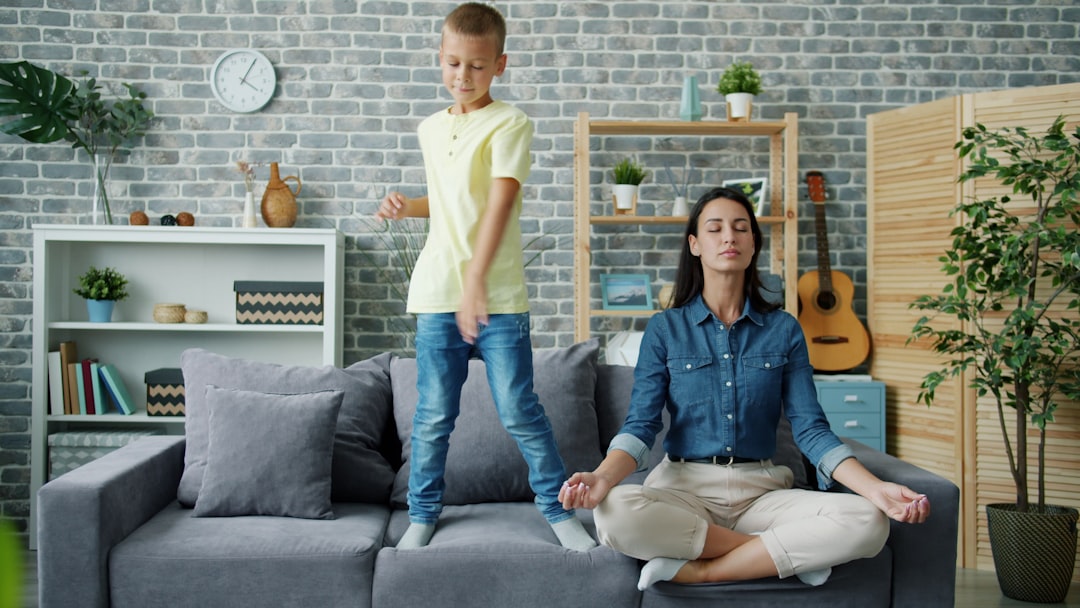
We often talk about boredom as a problem to fix, but developmentally, a certain amount of under-stimulation is deeply healthy for children. When nothing “special” is happening, a child’s brain has room to wander, imagine, and integrate experiences. This unstructured space supports creativity, emotional processing, and self‑soothing—skills that can’t be taught in a class or app.
In a culture that values productivity, under-stimulation can feel uncomfortable for parents too. You might find yourself thinking, “Should I be doing more? Should my child be doing more?” But much like rest for adults, “doing nothing” is often exactly what a child’s nervous system needs to reset.
Free afternoons, slow weekends, and tech‑light moments aren’t wasted time; they’re fertile ground for connection and creativity.
Practical ideas for expat mums in Hong Kong
For expat families in Hong Kong, the pressure to “keep up” can be intense, especially around academics and activities. It can help to make small, intentional shifts rather than sweeping changes. A few starting points:
- Schedule protected free‑play blocks. Treat 1–2 afternoons a week as sacred unscheduled time—no classes, no homework pressure, minimal screens. Let your child decide how to use it.
- Create low‑noise zones. Choose certain times of day (mornings, mealtimes, or evenings) where TVs, tablets, and phones are put away for everyone in the family.
- Use Hong Kong’s nature as a reset. Even in a dense city, beaches, hiking trails, and quiet parks are often just a short journey away. Simple outdoor time regulates the nervous system more quickly than many indoor activities.
- Simplify the schedule. Before adding something new, ask, “What can we let go of?” Your child doesn’t need every opportunity; they need room to enjoy the ones they already have.
These shifts don’t just help your child; they also give you more breathing space.
Modelling a different story about worth
Children learn what life is for by watching how we live ours. When they see you constantly rushing, multitasking, and criticising yourself for not doing enough, they absorb the message that worth comes from productivity. When they see you choose rest, joy, and unhurried presence—even some of the time—they learn that being is as valuable as doing.
As a mum, allowing yourself moments of under-stimulation—sitting with a cup of tea, reading for pleasure, walking slowly without a podcast—can feel uncomfortable at first. But in those pauses, your nervous system gets to exhale. You are not “checking out”; you’re reconnecting, both with yourself and with the miraculous world your child inhabits.
Protecting the miraculous world of childhood
Childhood is not just a preparation ground for a future CV.
It is a sacred, miraculous season in its own right—a time when cardboard boxes become castles and puddles become oceans. Our children deserve space to experience that wonder unhurried, and we deserve to witness it without always thinking, “What’s next?”
For expat mums in Hong Kong, choosing free play, under-stimulation, and slower rhythms is a quiet, powerful form of resistance. It says:
- My child’s nervous system matters more than appearances.
- Our family’s wellbeing matters more than keeping up.
- Play is not a reward; it is a right.
Let’s be honest, in a world and a family with young children that is so noisy, silence is an endangered species. By turning down the noise—just a little—you give your child’s brain room to grow, your own body space to rest, and your family the gift of remembering that anything in childhood can be a wonder.
Written by Lisel Varley
Related blog stories
Join our community